
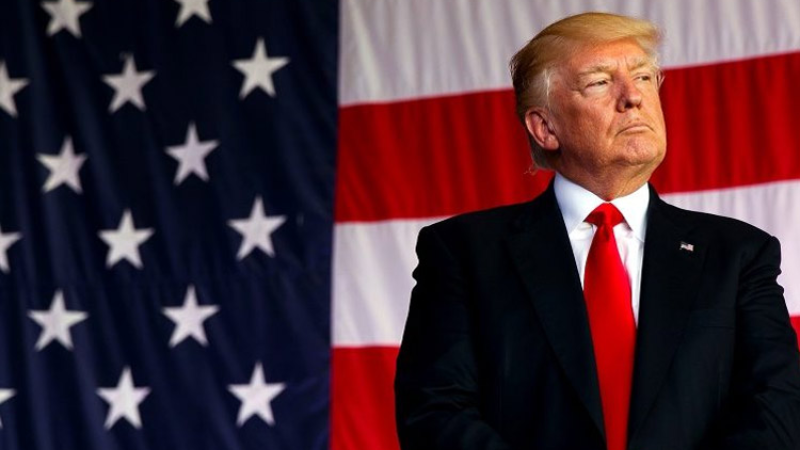
The United States has announced new partial entry restrictions affecting Zambian nationals under a presidential proclamation signed on December 16, 2025, citing immigration compliance and national security concerns.
The proclamation places Zambia among 15 countries subject to partial suspension of entry for both immigrant and nonimmigrant visas.
The measures will take effect at 12:01 a.m. eastern standard time on January 1, 2026.
For Zambia, the entry of nationals into the United States is suspended for immigrant visas, which are used for permanent residence, including family-based and employment-based immigration.
The proclamation also suspends entry for several nonimmigrant visa categories.
B-1 visas, used for short-term business travel such as meetings, conferences, and contract negotiations, are included in the suspension.
B-2 visas, which cover tourism, visits to family or friends, and certain medical treatments, are also suspended.
Combined B-1/B-2 visas, which allow both business and tourism activities, are included in the restrictions.
F visas, used by students enrolled in academic programmes such as universities, colleges, and language training institutions, are suspended.
M visas, which apply to vocational and technical training programmes, are also affected.
J visas, used for exchange visitor programmes including research scholars, interns, trainees, teachers, and cultural exchange programmes, are included in the suspension.
According to the proclamation, United States consular officers are also instructed to reduce the validity of any other nonimmigrant visas issued to Zambian nationals to the extent permitted by law.
The decision is based on data from the United States Department of Homeland Security Entry/Exit Overstay Report, which recorded a 10.73% overstay rate for Zambian B-1/B-2 visas and a 21.02% overstay rate for F, M, and J visas.
The restrictions apply only to Zambian nationals who are outside the United States on the effective date and who do not hold a valid visa on that date.
Lawful permanent residents of the United States, dual nationals traveling on passports issued by non-restricted countries, certain diplomatic and international organization visa holders, and athletes participating in major international sporting events are exempt.
Case-by-case exceptions may be granted where United States authorities determine that travel would serve a national interest.
The proclamation states that the measures are intended to address deficiencies identified during inter-agency reviews related to visa compliance, screening, vetting, and information-sharing practices.
The United States government is required to review the restrictions every 180 days and may continue, modify, or lift them based on future assessments and engagement with Zambia and other affected countries.
Background information shows that the proclamation builds on earlier measures introduced under Proclamation 10949 issued in June 2025 and Executive Order 14161 of January 2025, which established a framework for imposing country-specific travel restrictions.
The proclamation does not revoke visas issued before its effective date and does not apply to asylum seekers or refugees who have already been admitted to the United States.