
Debt
ZAMBIA DEBT KEY FIGURES
| Domestic Debt Interest 2026 | External Debt Interest and Principal 2026 | Debt-Carrying Composite Indicator | ECF Programme |
|---|---|---|---|
| K52.0 billion | K21.7 billion | 2.59 | Completed January 2026 |
Zambia’s domestic debt servicing, at K52.0 billion in the 2026 Budget, now exceeds external debt servicing, at K21.7 billion, a reversal the Minister of Finance and National Planning attributed to the sharp increase in domestic borrowing through Treasury bills and Government bonds issued between 2015 and 2021, instruments now reaching maturity.
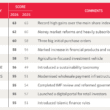
Zambia completed all six reviews of its 38-month IMF-supported Extended Credit Facility arrangement without a break or suspension by January 2026, and is now negotiating a successor programme to finish its debt restructuring commitments alongside new growth-oriented priorities.
Domestic and External Debt Servicing
The Minister of Finance and National Planning noted that domestic debt servicing, at K52.0 billion, now exceeds external debt servicing, at K21.7 billion, a reversal driven by the sharp increase in domestic borrowing through Treasury bills and Government bonds issued between 2015 and 2021, instruments now reaching maturity[1]. Together, debt servicing anchors General Public Services as the largest single functional share of the 2026 Budget, at 36.6%, or K92.6 billion[1].
IMF Programme and Debt Restructuring
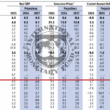
Zambia’s Minister of Finance and National Planning said the country completed every review under its IMF-supported Extended Credit Facility arrangement since 2022 without a break or suspension, underpinning primary fiscal surpluses exceeding 2% of GDP[2]. Rather than extend the concluded arrangement by a further year, the government is negotiating a full successor programme that would continue addressing completion of Zambia’s debt restructuring commitments while incorporating growth ambitions[2]. The IMF’s debt sustainability analysis uses a composite indicator that stood at 2.59 following the 2025 Country Policy and Institutional Assessment update, still below the 2.69 threshold for a medium debt-carrying-capacity classification[3].
Investment Opportunities
The shift from external to domestic debt as the larger servicing burden, alongside a successor IMF programme explicitly built to finish debt restructuring while adding growth priorities, together signal where Zambia’s fiscal policy attention and financing needs are concentrated, relevant to anyone assessing sovereign risk or the Kwacha bond market, detailed further on the dedicated Budget and IMF pages[1][2].
Last Update: September 2026
References
- Ministry of Finance and National Planning, 2026 Budget Speech
- Ministry of Finance and National Planning, From Stabilisation to Expansion: Government Signals Aspiration for a New-IMF Supported, Investment-Focused Growth Phase
- International Monetary Fund, Zambia: Staff Report for the 2025 Article IV Consultation, Fifth Review Under the Extended Credit Facility Arrangement, and Financing Assurances Review, Supplementary Information, July 2025